Activism
WHY DID I FIGHT FOR LEGAL HIGHS?
A lot of people ask me why I did that – was it just commercial? … and the answer is “No.” I couldn’t care about the money really, I was done with it all after the first few years seeing how greedy the business made people, when we had originally started out to help addicts get off hard drugs. However, when politicians started talking about banning the pills I’d created I just knew they were doing the wrong thing, and it would be a disaster if somebody didn’t stand up to them and tell the truth, that banning is a cop out, so that is what I did. I don’t feel like a business man, I am just a musician working in my spare time to negotiate an end to the so-called ‘war on drugs.’ I am best known for taking a stand as an activist in the corporate sphere, but to me this is simply the role of the artist in society – to precipitate change in perception and policy – and my activism was driven by desire to highlight an issue of inequality as much as to promote more effective drug policy.
SHOULD PEOPLE GET WASTED MORE?
I am not a big advocate for the hedonistic lifestyle, i.e. I don’t encourage people to use excess alcohol or other drugs, life is better without either in my opinion. If responsible adults are taking a bit of pot or an energy pill or energy drink and it is not hurting anybody then it is their own business, but for me personally, expressing or communicating celebration or acceptance and love for each other or especially to the creator (higher power) through music is the best way to get high. Music is the cleanest high. However, I have had a number of deaths in family and close friendships related to illegal drug use that could have been prevented if we de-stigmatised our attitude toward people who choose drugs other than alcohol. The way we’re dealing with the drug issue has to change. That is what motivated me to start developing harm reduction solutions.
WAR ON DRUGS RACIST
Every human culture going back to the dawn of time have used substances to change the way we feel in social settings, the reasons we choose one substance over another are often genetic, and laws which unfairly favour the traditional European drug alcohol over drugs used by non-European societies are not only culturally insensitive, but also genetically biased and therefore racially discriminatory. Many non-European races literally cannot stomach alcohol, they don’t have the enzymes to process it, yet European colonists have outlawed all other traditional social tonics. The war on drugs was a war waged by colonists on African Americans, native Americans, Chinese and Mexicans and it is simply not acceptable behaviour.
PEACE PROCESS
My stand is to highlight the dangers of this dysfunctional policy, and to plot out clear paths to higher ground. The end goal is in redressing what was a deliberate breach of human rights where colonists created laws to control certain ethnic groups. We need to put cultural reconciliation on the agenda and cease the criminalising of those people groups who select social tonics other than alcohol and tobacco, but that is a long slow process of education. The first steps to moving away from the corrupt and biased “War on Drugs” prohibition model is to construct an alternative policy model for regulation of social tonics, so that newer, safer drug alternatives can be developed to meet the needs of non-Europeans and even Europeans who want safer alternatives to alcohol and tobacco. This is what we’ve done in New Zealand with the introduction of the “Restricted Substances” category and regulations for low risk non traditional recreationally used substances.
DECADE OF FIGHTING
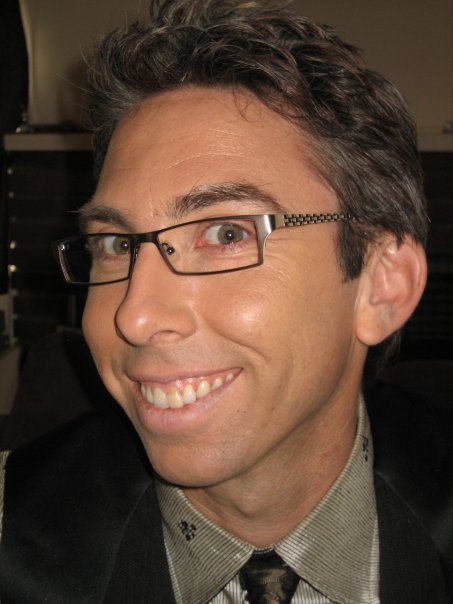
I have put in ten years in a suit and tie with short hair delivering this message to politicians, media and policy writers worldwide, and am recognised as an expert in designer drugs and in the legal highs industry, I am still available for consultation by media or public servants on issues relating to drugs, my main focus right now is in making new music though.